

Tradition: the passing of customs or beliefs from one generation to the next, and the living fact of that transmission.
Tradition may spring from the past, but it does not stay there. As it flows, it moves, changes, and adapts.
- It does not belong to the past.
- It does not look back wistfully at a time now gone.
- It does not shut out the realities of modern life.
For Hamish Henderson, one of Scotland’s great thinkers and creative minds of the modern age – tradition is a carrying stream, flowing through time and gathering new ideas as it goes. Tradition is not a stagnant, fading memory. It is constantly reshaped, renewed, remade. Traditional practitioners listen to what has gone before, and answer it, yet they’re free to carry it forward on their own terms. They know their roots, but roots are not tethers. They don’t bind us to the past; they feed and nourish it, making room for new growth.
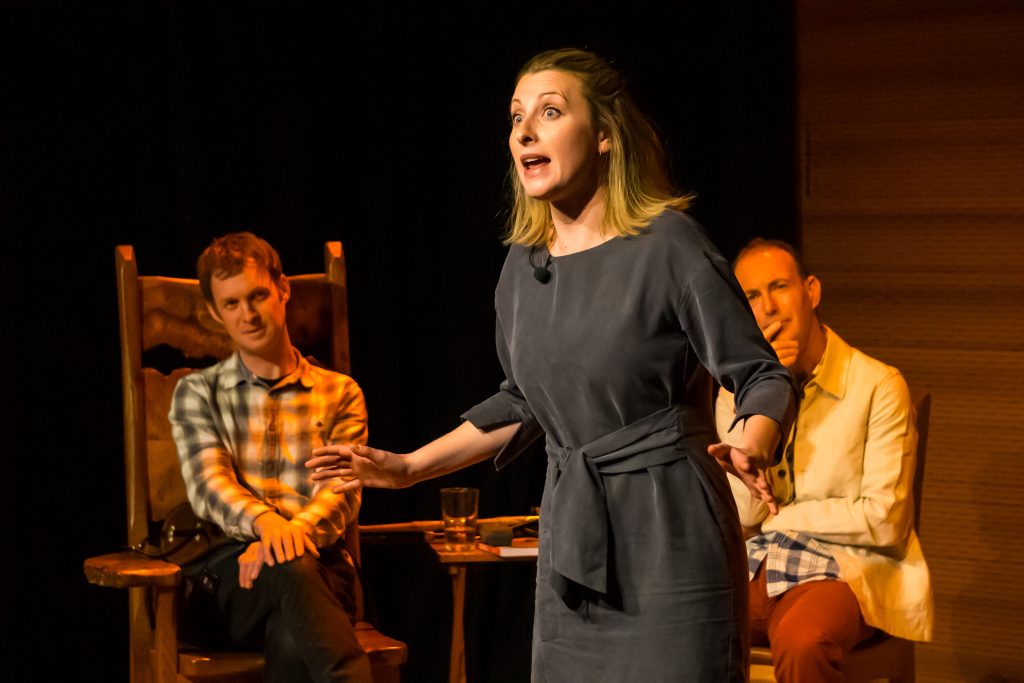
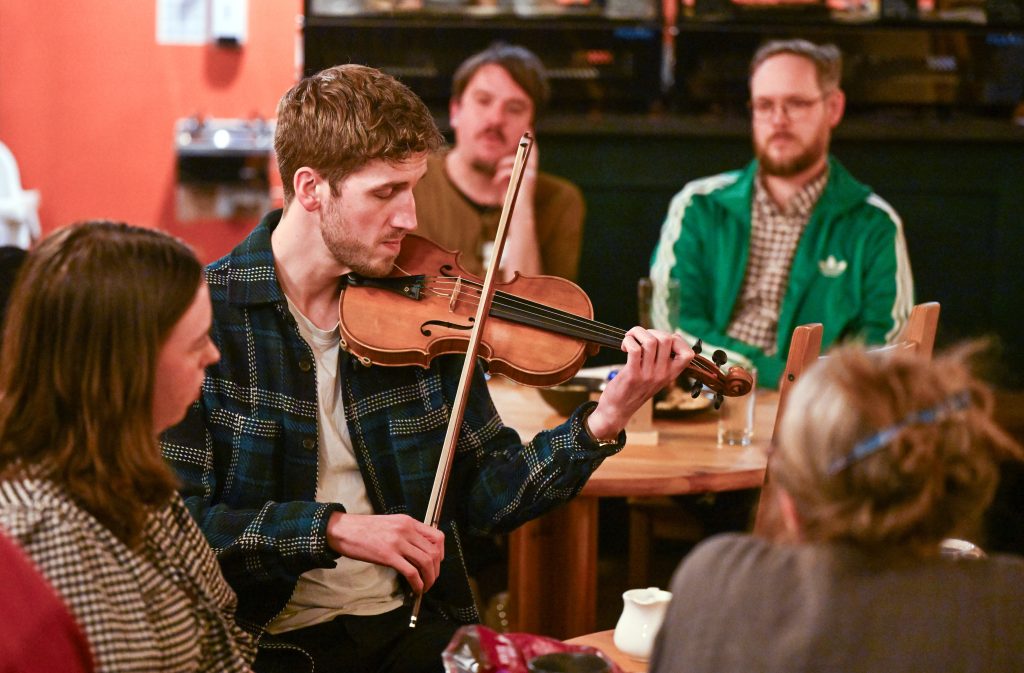
And Scotland’s traditional arts are full of that growth today. Our artists working within the traditional idiom – singers, instrumentalists, composers, storytellers, dancers, choreographers, have plenty to say about the great questions of modern life. They speak of humanity and cruelty, war and peace, morality and love, work and place, family and environment, nation and community. They flow from firm local roots, looking outward and forward, never inward and back.


