
How ‘Remembering’ Someone Else’s Memories Led to My Debut Album – by Chris Amer
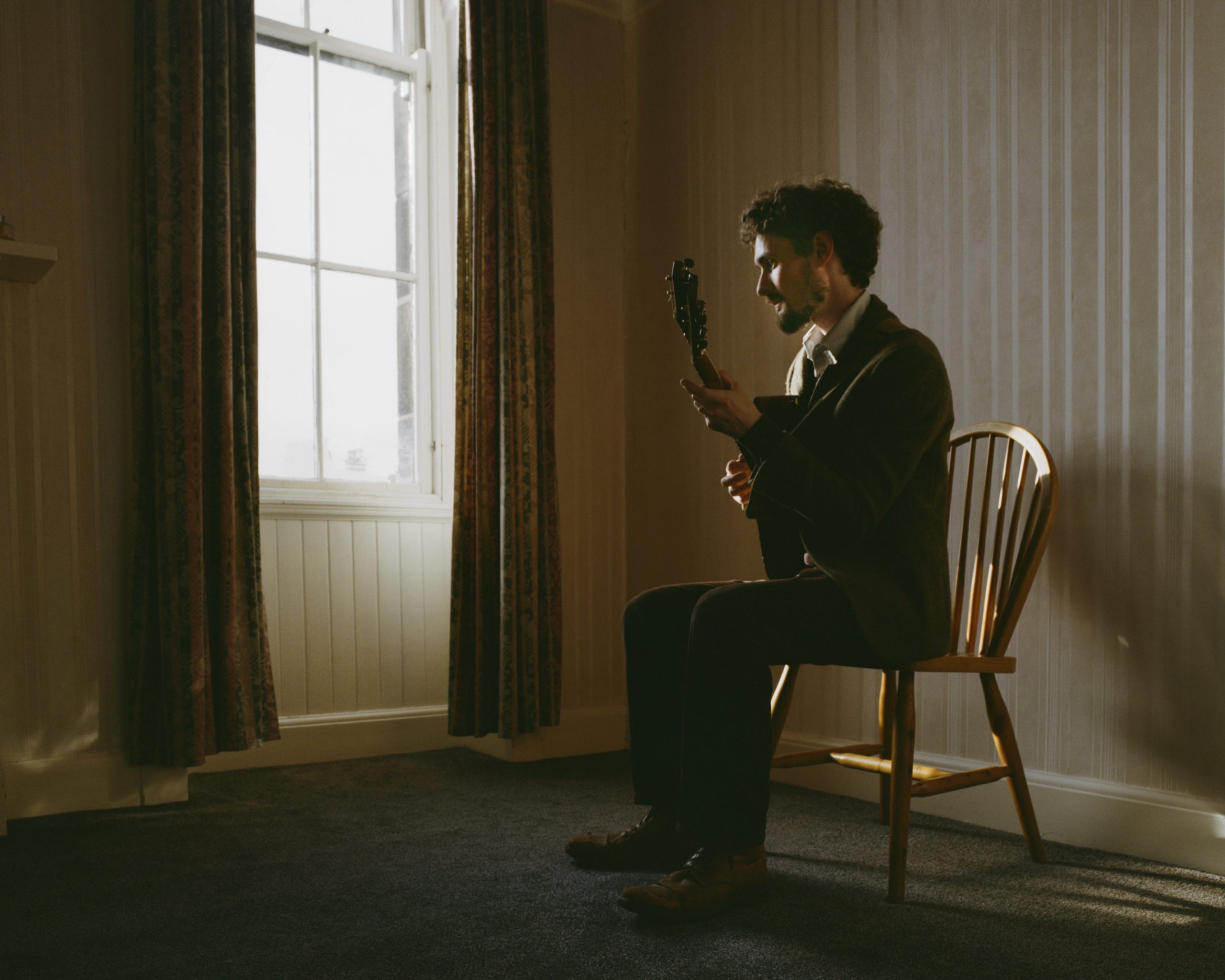
📷 Photo above by Cami Lemoine
One of my favourite poets, Norman MacCaig, had a unique gift for noticing, capturing and celebrating the beauty of ordinary life. A tree or a frog or a coffee or a landscape or an overheard conversation are all subjects deserving of their own poem, a poem that doesn’t try to be profound in a contrived way, but simply draws out the beauty inherent in ordinary things. His poems help us notice how remarkable the ordinary can be.
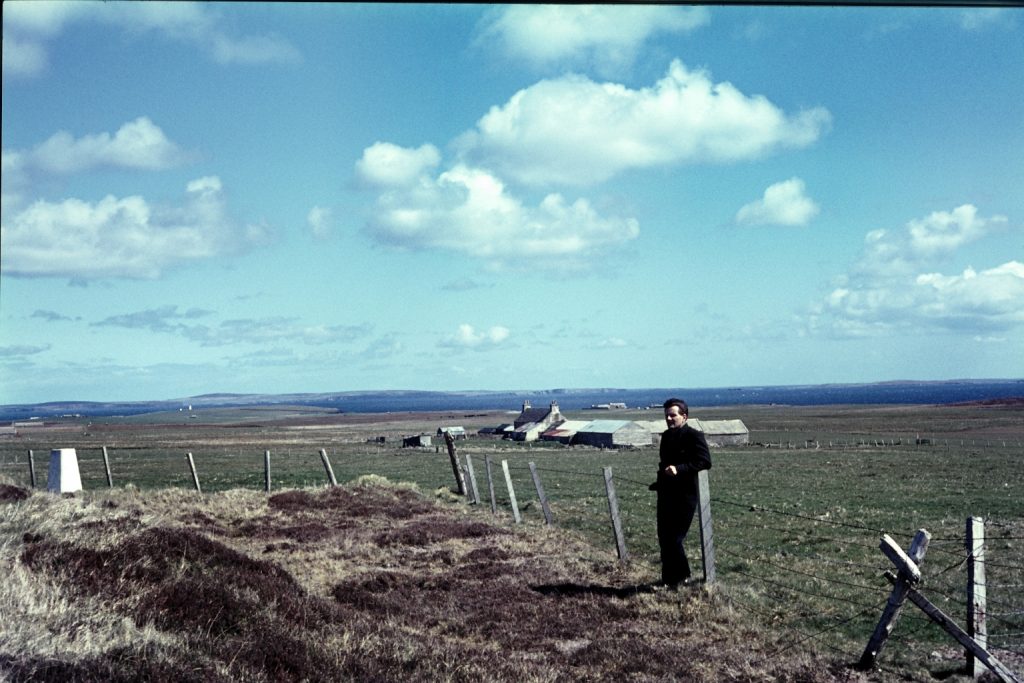
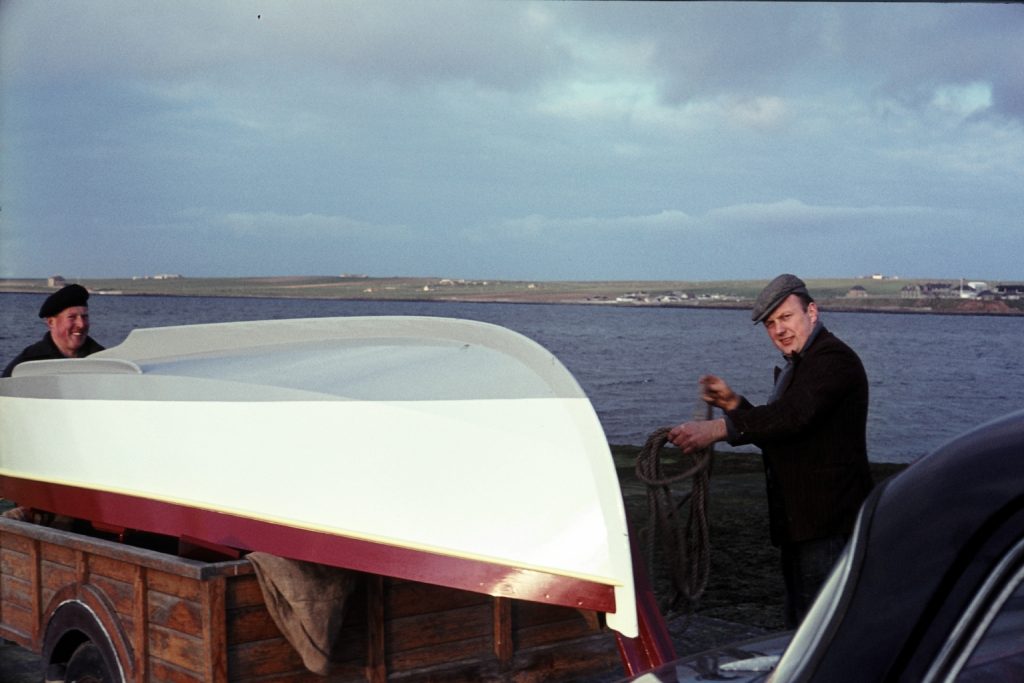
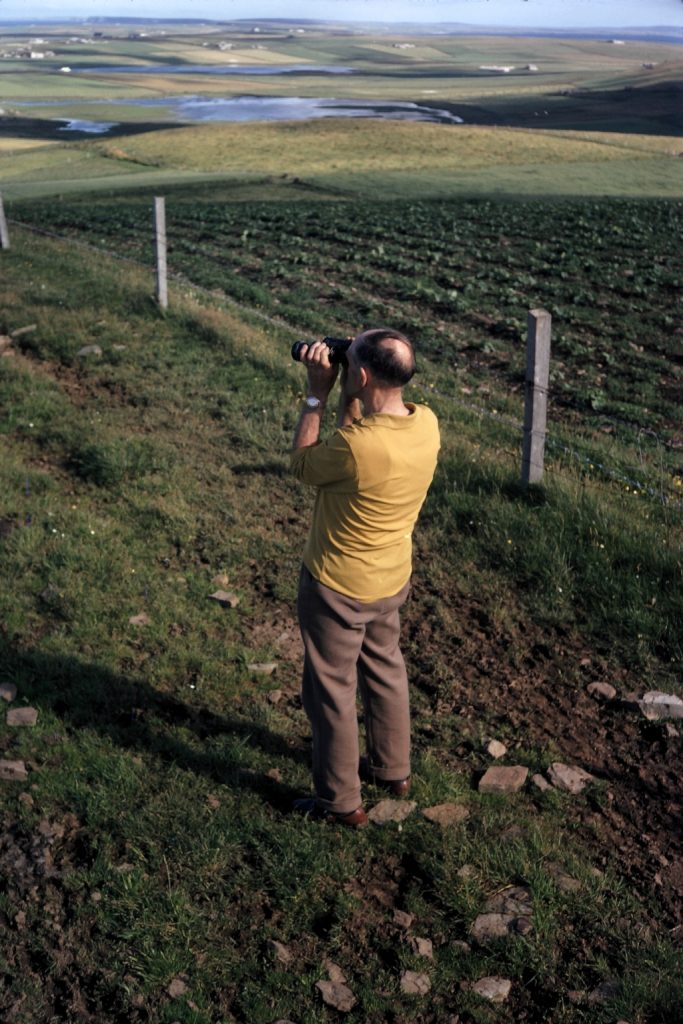
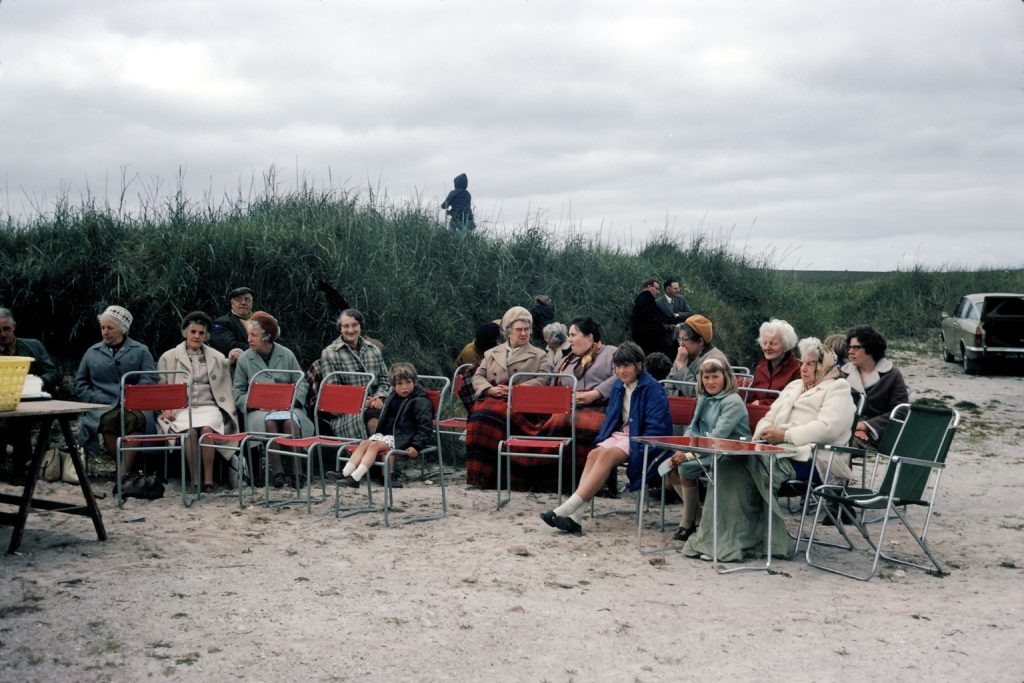
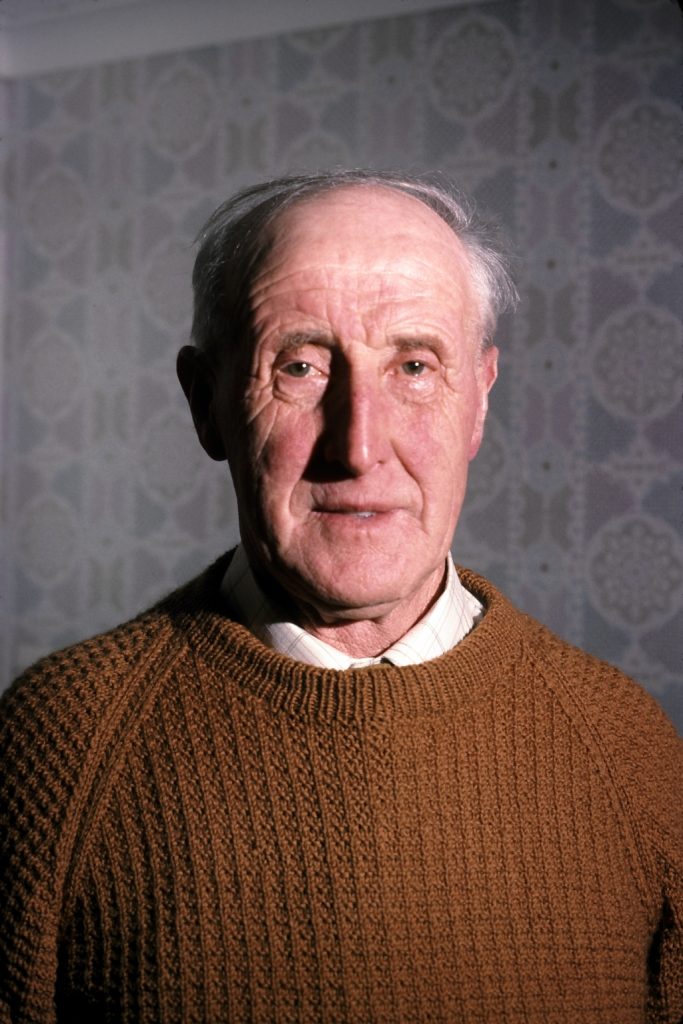
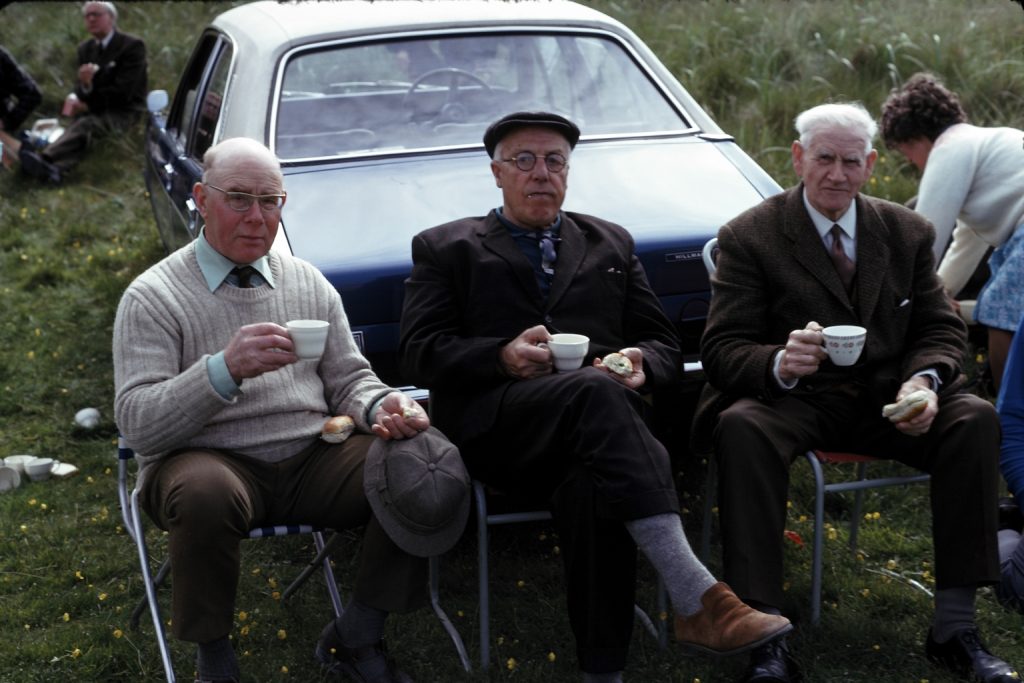
Danny Nicolson had a similar instinct, but his tool was the camera rather than the pen. Now in his 90s, he spent his working life as a joiner in his native Orkney Islands. A meticulous attention to detail, amazing work ethic, and trustworthy character earned him a strong reputation, and the islands are still littered with examples of his craftsmanship in people’s homes, offices, farms, churches and even the BBC Orkney studios.
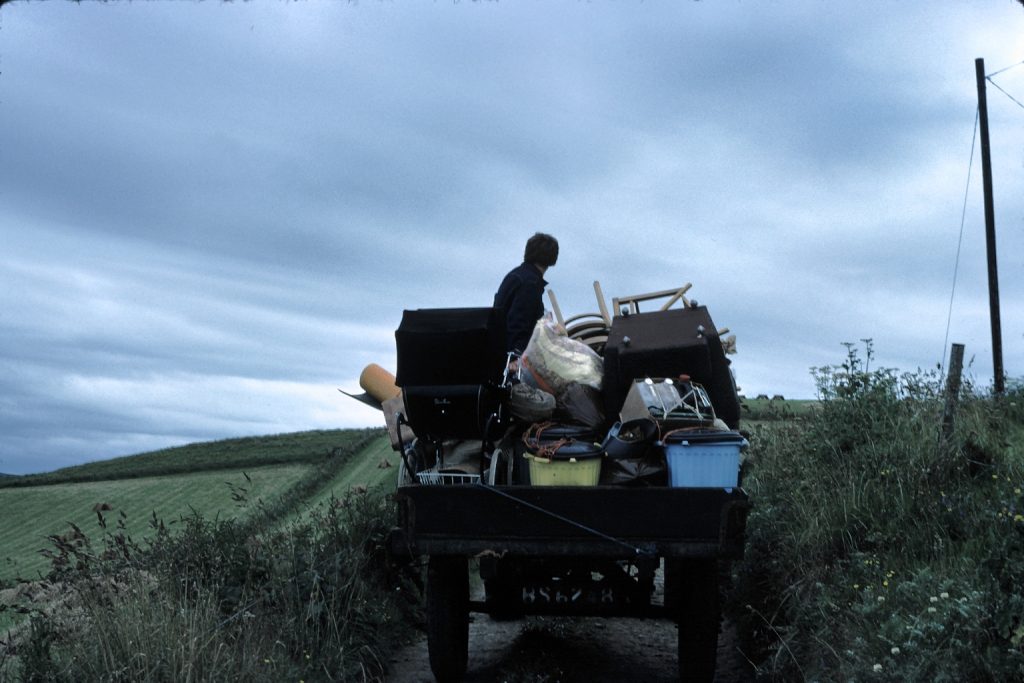
At some point in the mid-20th century, he invested some of his wages in a film camera and became one of Orkney’s then small number of amateur photographers. Over the following decades, he noticed, captured and celebrated the beauty of ordinary life, building up an amazing library of film photographs of the people, places, objects and stories of Orkney through the 1960s, 70s, and 80s. For years, the collection only existed in the form of film ‘slides’ until, recently, one of his sons patiently digitised every single image, unlocking access to this amazing window into life of a past era.
My name is Chris Amer and Danny Nicolson is my grandfather. I’m also a Scottish guitar player living in Glasgow. I play electric guitar, acoustic guitar, pedal steel and a unique 7-string theorbed tenor guitar that I designed with Taran Guitars in Fife.
www.taranguitars.co.uk/chris-amer
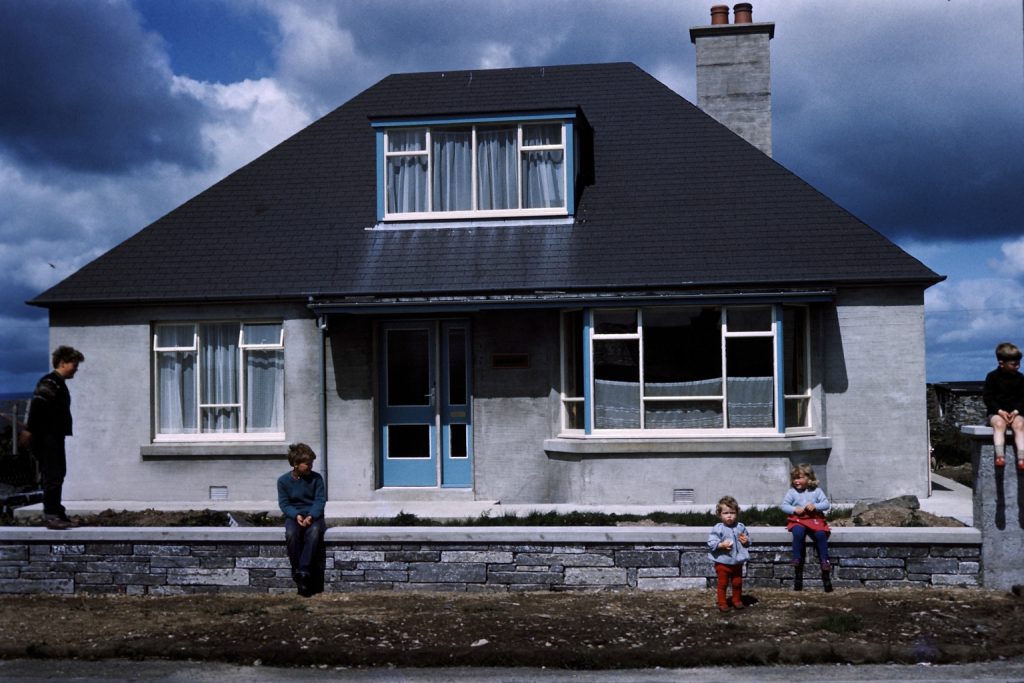
Like all of Danny Nicolson’s grandchildren, I got to enter his world in one immersive moment by receiving access to this vast, hitherto unseen photo library all at once. It was amazing, it felt like stepping into his mind and looking back, literally, at a lifetime’s worth of memories. It was a window into a reality that was very familiar, and at the same time, very far away. I recognised so much: familiar people, relatives and family members, the places that they lived, landscapes, townscapes and interiors that I’ve seen all my life. In my mind, the feeling of ‘memory’ was triggered, even though I wasn’t even alive when the photographs were taken. It was like I was getting to ‘remember’ memories that weren’t actually my memories. It was intense nostalgia for a time period I didn’t live through.
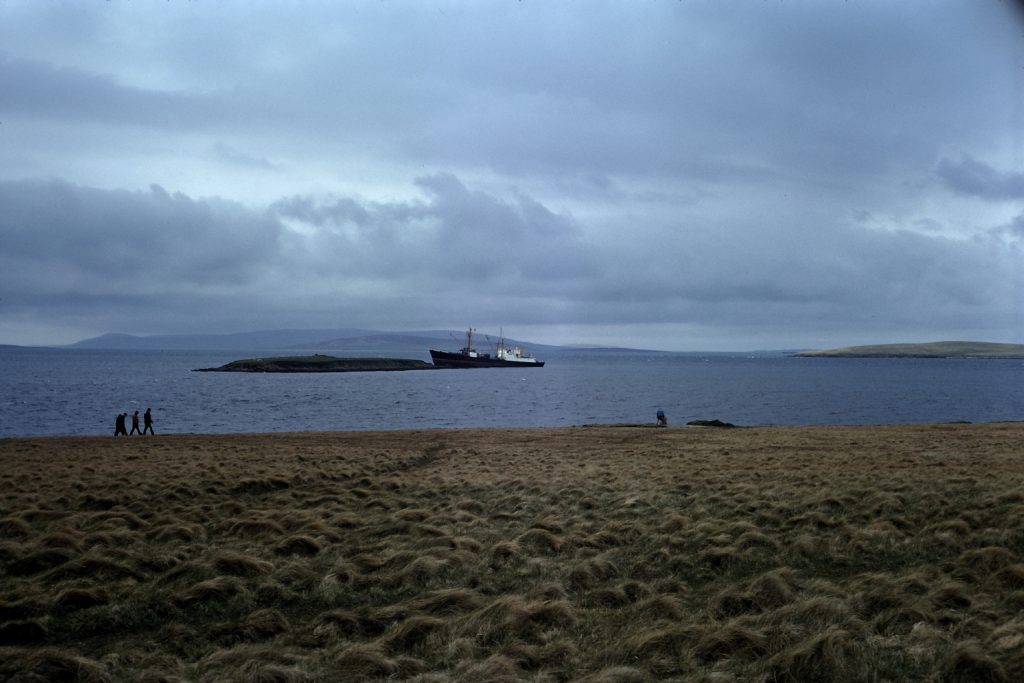
It’s easy to romanticise the past. Sometimes it’s the safest escape when life in the present is difficult or anxious or unideal. One of my favourite writers, C S Lewis, has written in several essays about the phenomenon of nostalgia as being the inaccurate misplacing of the ‘ideal’. We seem to feel that life should be better than it is: the present isn’t good enough, the future is too uncertain, so the past can become the place where we project all our desires for the good life. “It must have been so much better back then”.
I’ve learned that (perhaps due to my personality type) I am very predisposed to doing that. Looking through my grandfather’s photo collection was interesting and aesthetically enriching, yes, but it also provided me a way to ‘escape’ back to the past, back to the more ideal reality I thought was there.
That experience has fuelled my music-making in recent years, and my new album Making Peace With What Is, is a collection of musical sketches that came out of trips down my grandfather’s memory lane. The title, Making Peace With What Is, might seem a little bit wordy, but it’s a phrase that’s been in my mind as I’ve been processing the photos in relation to my own life. I’ve had to reconcile myself to the present day whilst feeling nostalgia for a past that feels strangely familiar and which actually seems much nicer, but which I can never actually visit. It’s been a process of literally ‘making peace’ with what actually is.
The music is largely multi-tracked guitar. I played layers of acoustic guitar, electric guitar, tenor guitar, pedal steel and bass guitar. As guitar is my main voice, my process has always been to compose on it, and so the music came together at home as I sketched and layered ideas. I recorded the music at Solas Sound in Glasgow in two ‘sessions’ a year apart. Gus Stirrat, the engineer, captures the sound of my tenor guitar like nobody else. The first five tracks of the album were recorded in summer 2022, and the latter five in summer 2023. Originally, I didn’t even think of the music as a coherent album, but as two separate EPs. Only laterally, as I’ve reflected on my process, did I realise that, actually, all the music came from the same source.
As a (part-time, sort of) jazz musician, I’ve always been comfortable improvising, and the music is a genuine mix of composed melodies and improvised lines. The main melodies and harmonic structures are all composed and laid out in advance, but I deliberately left lots of ‘space’ to fill with improvisation. Throughout the album, there are sections where I’ve layered up multiple improvised electric and tenor guitar voices. I love that these are unique moments in time that are unrepeatable (they never come out the same way twice), which feels really appropriate for a project all about moments in time that can’t be re-lived. I tended to do everything in one take and then leave it as is.
One of my favourite guitar players is Bill Frisell – I think he’s able to deeply encapsulate feelings and spaces in his playing. I really hear the vast horizons of the Midwest USA in his sound, but also his humility and understated character. I’ve always chased ‘feelings’ in my guitar playing rather than specific ‘licks’ – one of my friends and collaborators said that it reminds them of brush strokes on a canvas. I also invited my friend Stephen Henderson, an exceptional drummer, to add some drum parts to the second five tracks. You can really hear the difference that makes. I feel like Stephen punctuates (like highlighting in black ink) the music and brings out the best of it. I love what he brought to the sound world.
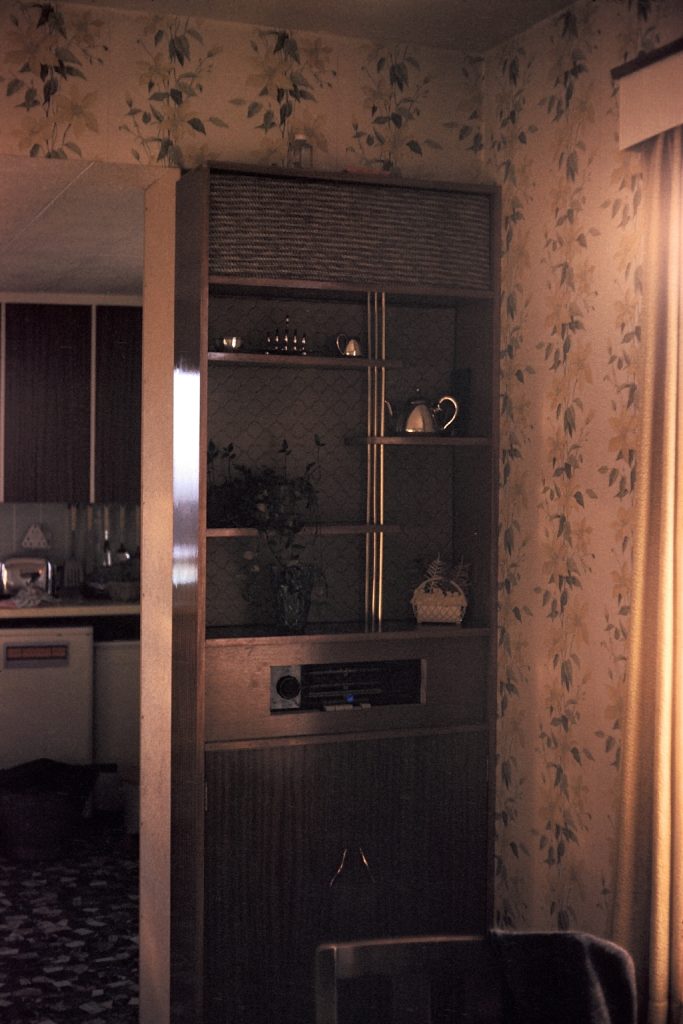
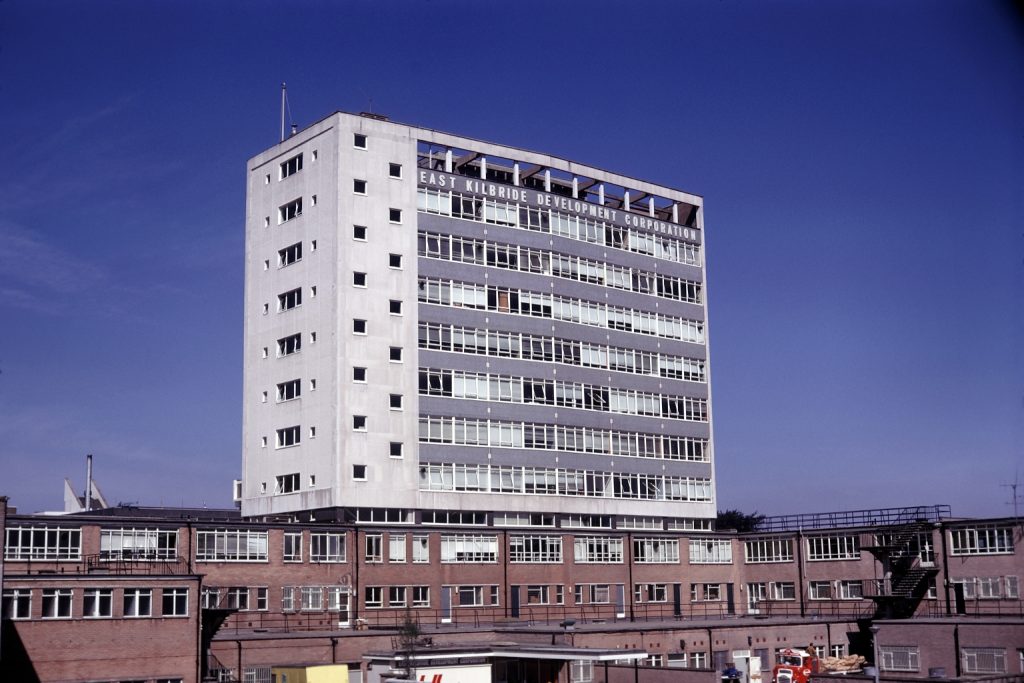
Tracks like Arable Concrete (track 1) have an airy, imaginative quality. This track came from looking at photographs of new towns and post-war building projects when they were brand new. It’s striking how clean and optimistic they look – they were ‘arable’ – fertile with potential.
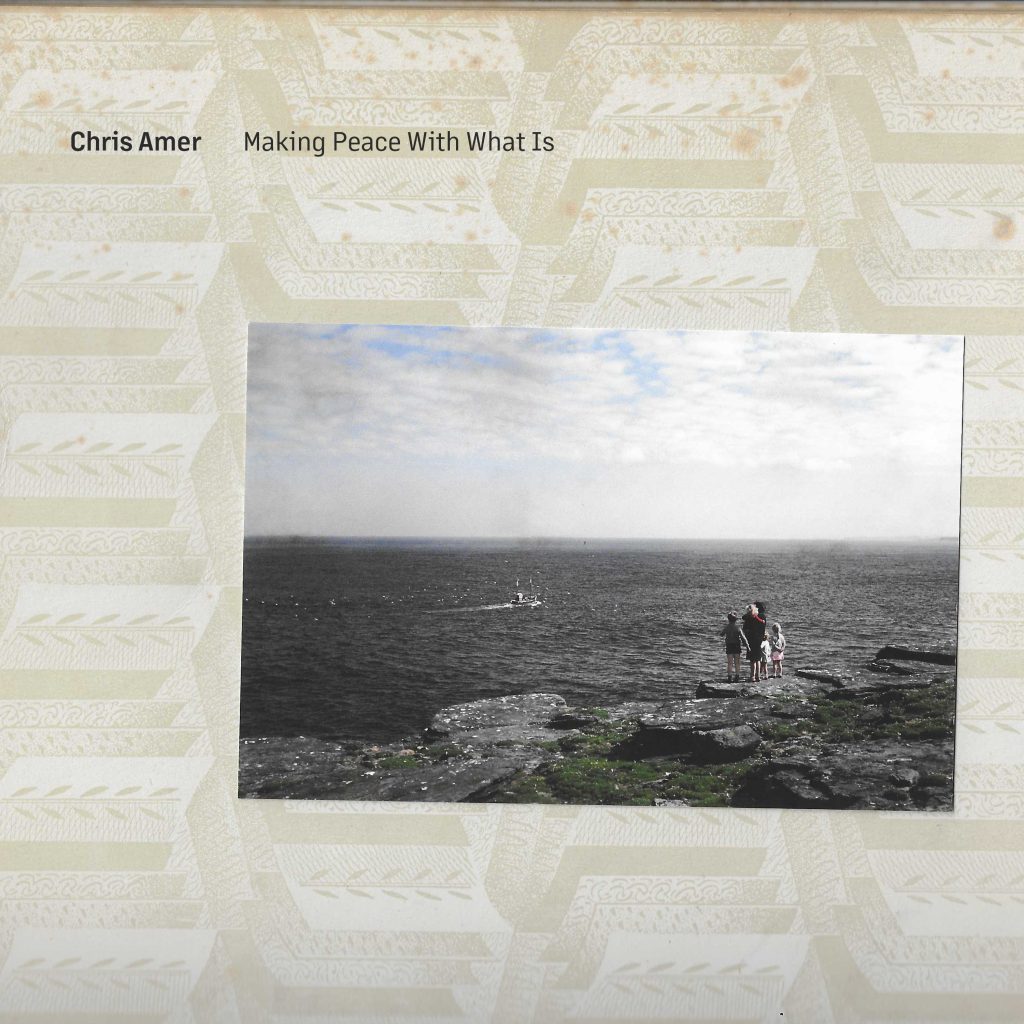
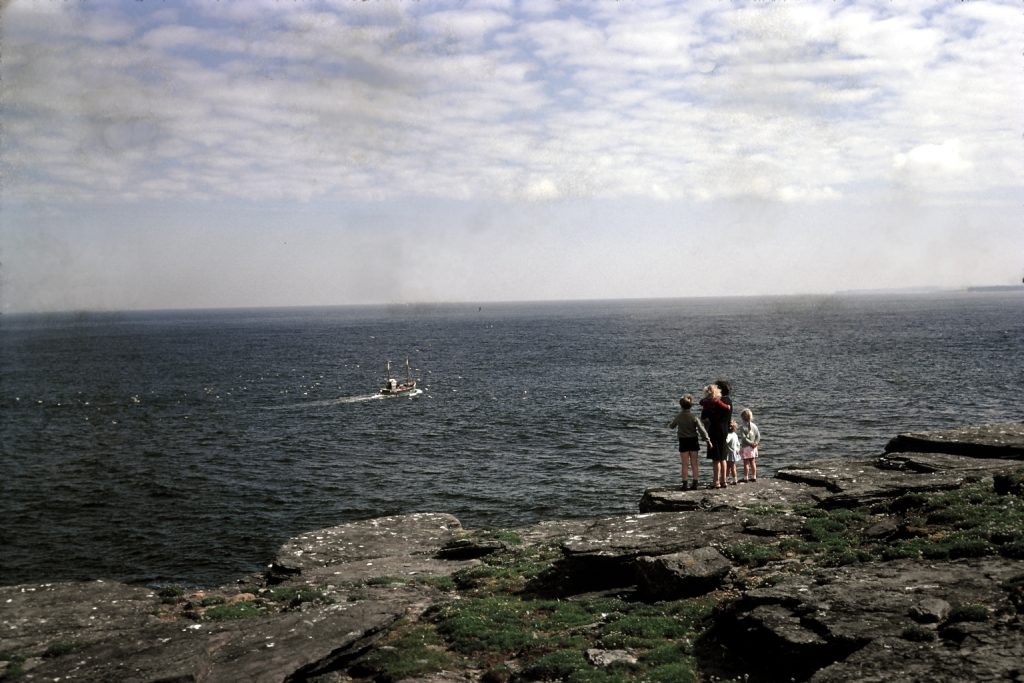
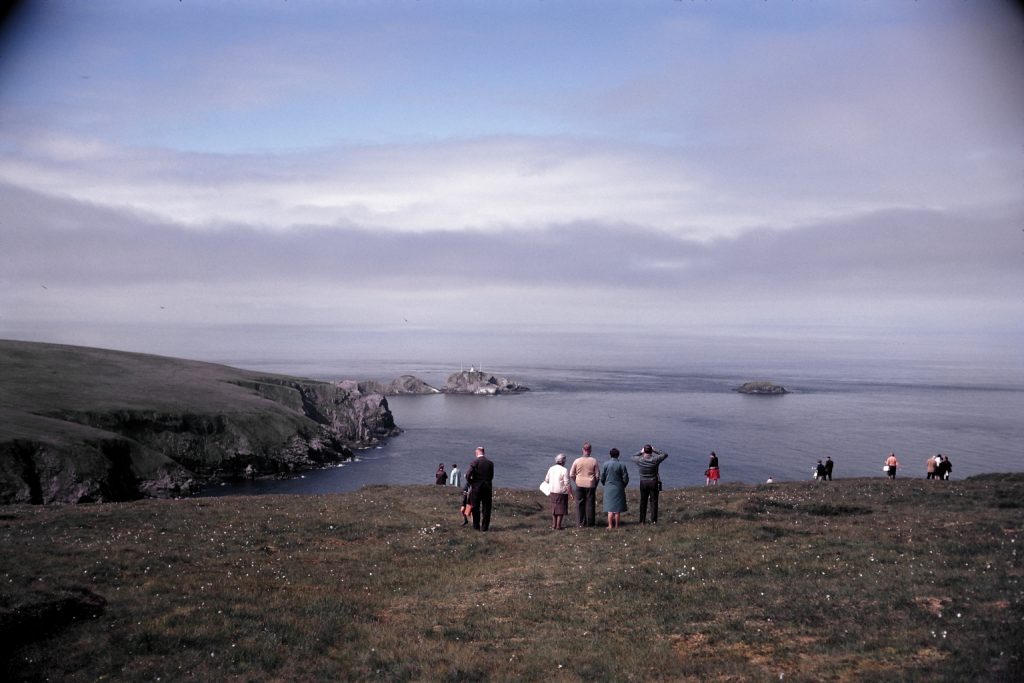
Living In A Filter (track 7) tries to capture the feeling of ‘horizon’. One of my favourite photographs (which I chose for the front cover) is of my Granny Molly and her four children (one of which is my mum) standing on a cliff looking at a sea and sky that seems to stretch limitlessly outwards. The lower resolution of the film photo makes the horizon less defined and detailed, but richer in imaginative potential. Stephen added an amazing Steve Gadd style drum part which simultaneously creates a sense of forward motion and stillness.
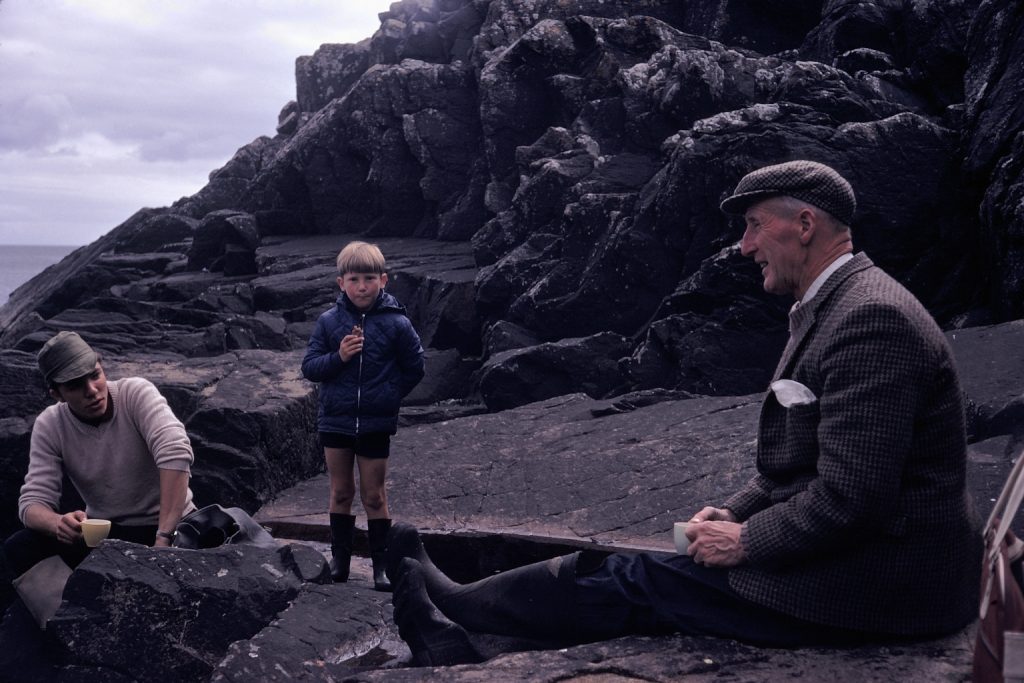
Short Ago (track 8) is all about my great-grandfather George Rendall. He was a dairy farmer in Orkney and I last saw him on his 100th birthday back in 2002. He had a wicked sense of humour, and stories of his quiet but lively quips, jokes and pranks are still told in the family. The phrase ‘short ago’ is one I’ve heard many Orkney relatives use. Stephen again brought the track alive with a really cool drum part. I remember my performance direction in the studio was something like, “think metronome meets drum and bass” – he nailed it first time.
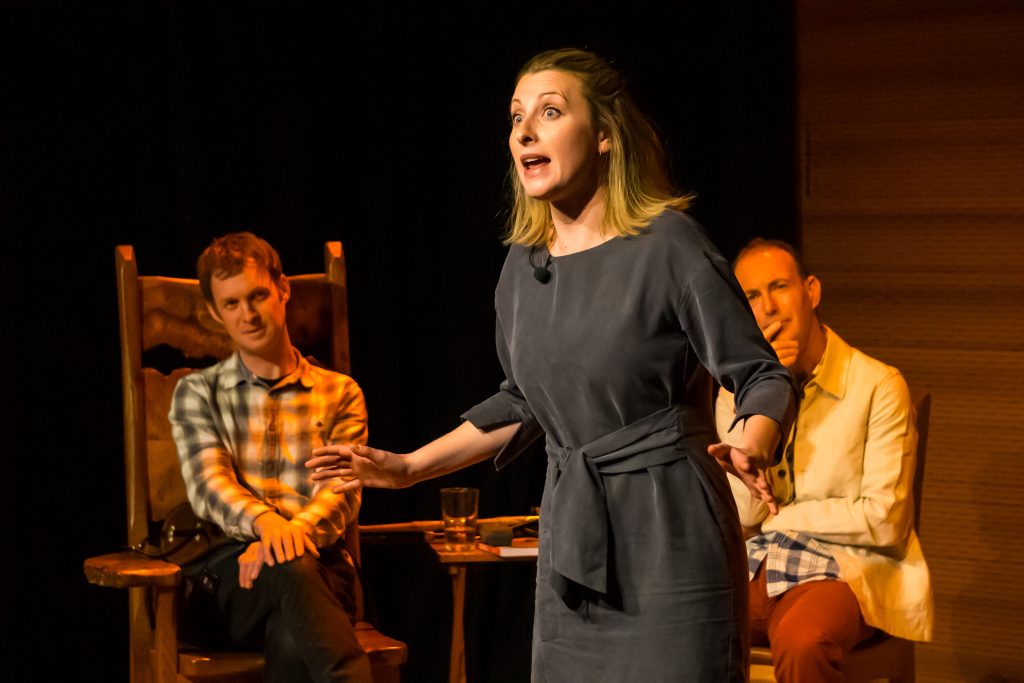
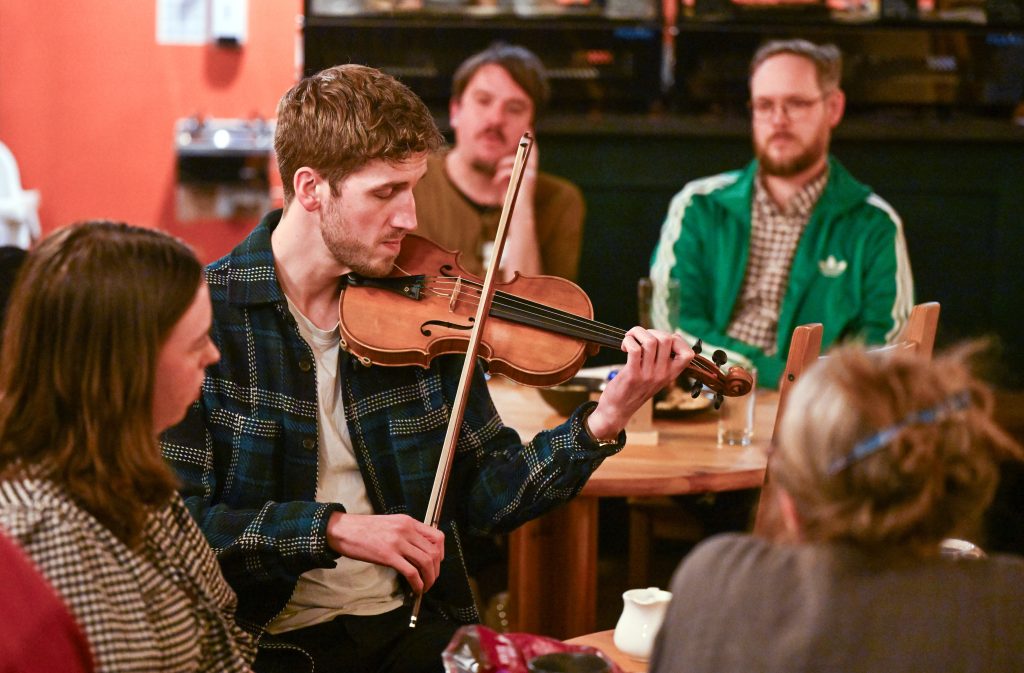
The album was mostly multi-tracked guitar because I’ve always found it easier to make music on my own. Reading Bill Frisell’s biography made me feel even more of an affinity with him, as he talked about his shy personality and how that made him hesitant at times. I definitely resonate with that – it’s taken me a lot of years to build enough confidence to ask people to play gigs of my own music. Amazingly though, I was able to launch this album at Celtic Connections this year with an amazing six-piece ensemble featuring some of my favourite musicians and friends – Matt Carmichael, Fergus McCreadie, Gus Stirrat, Mhairi Marwick and Stephen Henderson. It was an experience I’ll never forget. In the year ahead, I’m really looking forward to some more performance opportunities – especially a slot at the St Magnus Festival in Orkney in June which will feel ‘right’ on many levels.
If any of this intrigues you, please feel free to visit my website or bandcamp site where you can get a copy of the album, and drop me a wee follow on socials to hear about upcoming gigs etc.
Thanks so much for reading 🙂
www.chrisamer.com
chrisamer.bandcamp.com
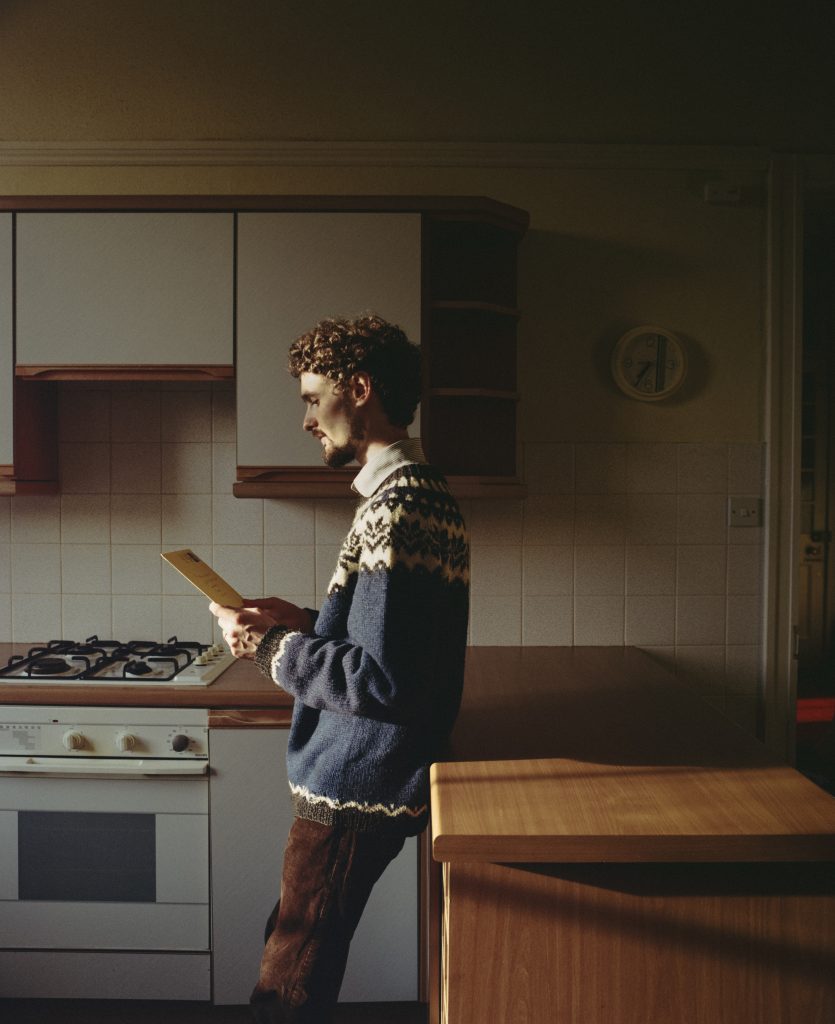
📷 Photo above by Cami Lemoine