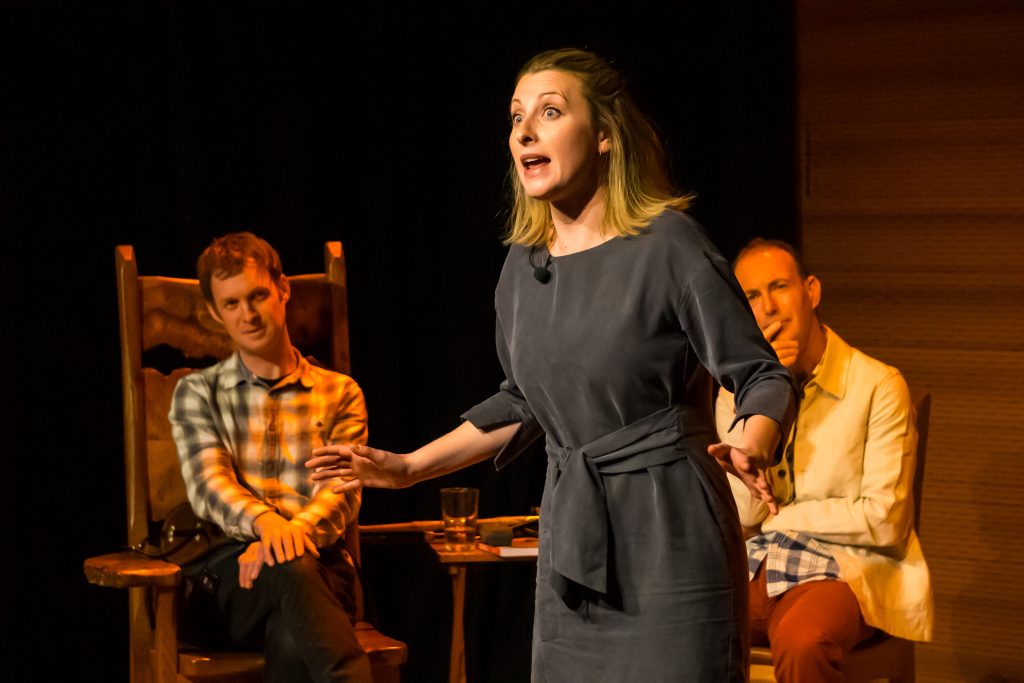
Caller-led Cèilidh dance is a social dance style designed to be inclusive, accessible, and fun. Danced in groups, it is guided by a caller who instructs participants through the steps, making it easy for people of all ages and abilities to join in.
Emerging in Scotland during the late 20th century, Caller-led Cèilidh dance draws on the Scottish country dance tradition while encouraging spontaneity and enjoyment. TRACS supports its role as a vital, living part of Scotland’s traditional dance culture.
In the 1970s and 1980s, a new generation of folk music enthusiasts attending amplified folk gigs wanted to dance but often did not know traditional steps. This demand led to the introduction of Caller-led Cèilidh dancing in Scotland, inspired by English folk festival traditions of the 1970s. Cities such as Aberdeen, Edinburgh, and Glasgow became early centres for this style.
The word cèilidh comes from Scottish Gaelic and originally meant “a visit.” Over the 20th century, it became associated with informal concerts where anyone could perform. Today, it is more commonly used to refer to social dancing events where music, community, and fun take centre stage.
How the Dances Work
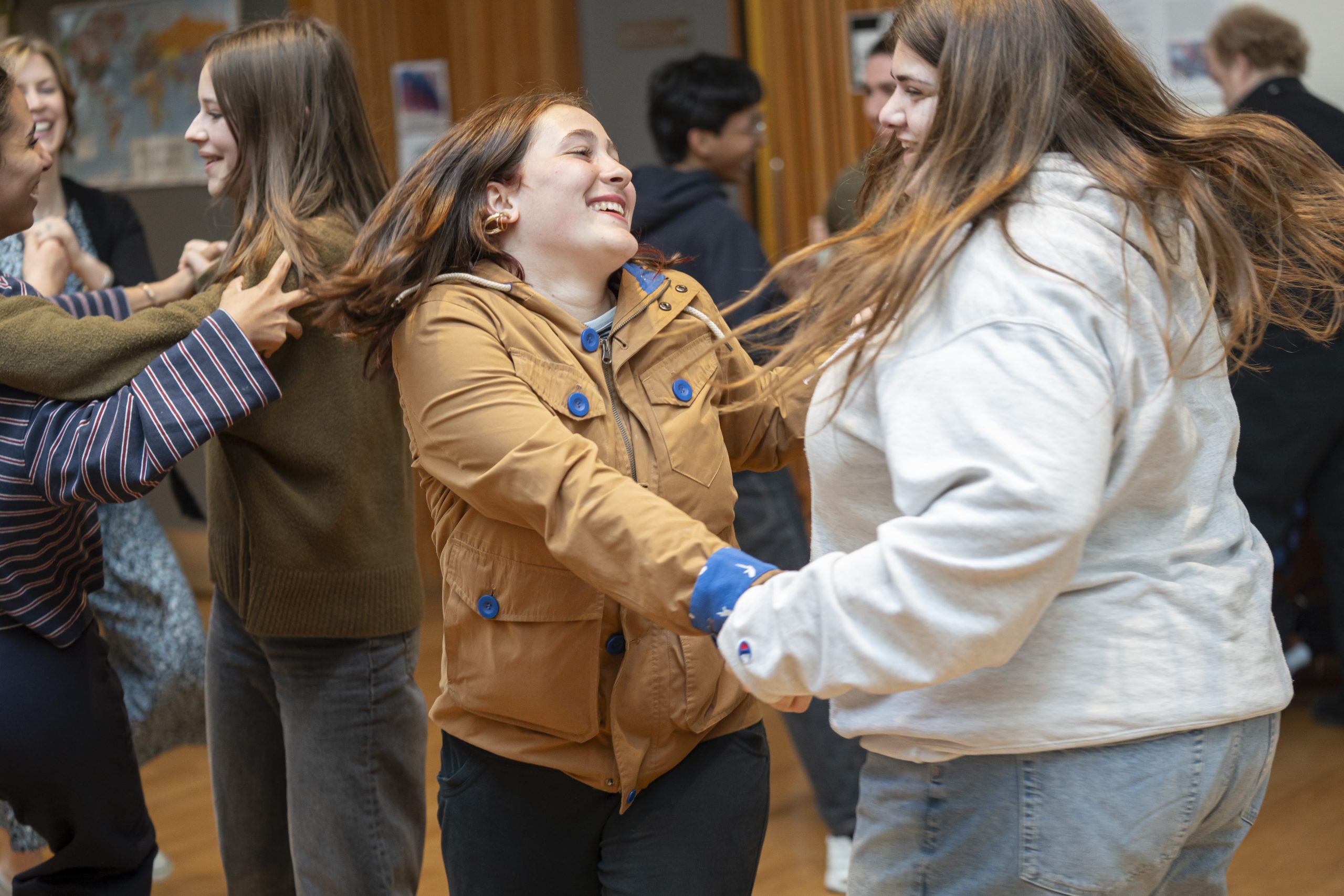
Caller-led Cèilidh dances are performed in groups, often with couples arranged in sets or circles. The caller explains and guides the dancers through each dance, repeating instructions as needed. This ensures that even beginners can participate fully.The repertoire includes:
The emphasis is on enjoyment, participation, and rhythm rather than strict technique. Dance sequences may vary depending on the caller’s experience, background, and teaching style, adding flexibility and freshness to each event.
Music and Performance Style
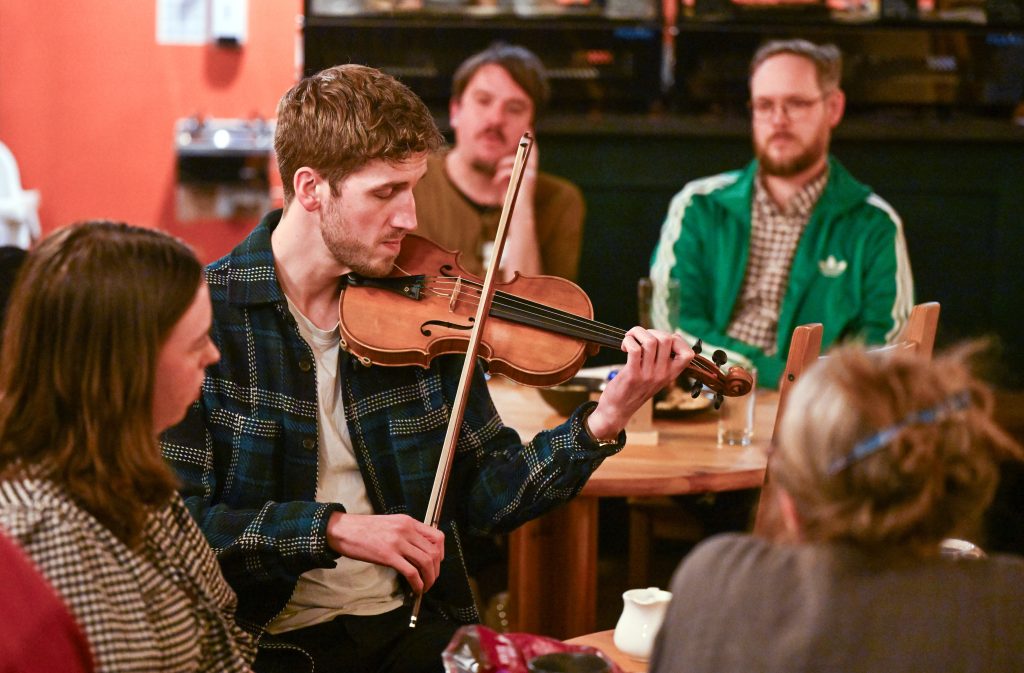
Cèilidh dances are performed to marches, jigs, strathspeys, and reels. Live bands often accompany social dances, although recorded music is also common for smaller events. The tempo and style are chosen to make the dances easy to follow and to maintain energy and enjoyment throughout the session.
Unlike regulated dances, there are no exams or formal competitions, making cèilidh dance one of the most welcoming forms of traditional Scottish dance.
Learning and Participation
Caller-led Cèilidh dancing is widespread, with social events taking place every weekend across Scotland. Local groups and clubs provide regular classes, workshops, and public dances. Notable opportunities include:
Social cèilidhs are inclusive and encourage participation from beginners to experienced dancers, making it a key way for communities to come together through movement and music.
Caller-led Cèilidh dance remains a vibrant, living tradition. Its inclusive, social nature allows it to complement other Scottish dance forms, while its reliance on live music and group interaction strengthens communities and keeps Scotland’s dance heritage active and evolving.
A web or social media search will highlight public cèilidh dance groups and events. There will be a cèilidh dance somewhere in the country every weekend.
TRACS (Traditional Arts and Culture Scotland, SCIO SC043009) is a co-operative network which champions our shared traditions of music, song, storytelling, dance, crafts, customs and indigenous languages. Together we celebrate the local distinctiveness of Scotland’s places: our intangible cultural heritage. Registered office at the Scottish Storytelling Centre, 43-45 High Street, Edinburgh EH1 1SR.