


As we gather ourselves around the fire and the cool mist of December rolls in, many of us slip instinctively into festive ritual. The boxes of décor make their descent from the attic, our special crockery make its annual appearance, and we greet the season with nostalgic flavours that bring back memories and stories.
These small, recurring acts form part of what is known as our Intangible Cultural Heritage (ICH) or Living Heritage – the living practices that shape who we are and how we celebrate both special occasions and the things we do in everyday life. In the UK, UNESCO recognises seven domains of ICH, and among them is Culinary Practices, affirming that the foods we make and share are indeed part of our cultural fabric.
In Scotland, Christmas arrives with an edible array of stories. Each dish has stood the test of time, carried down by families and communities, adapting and being enjoyed by each generation. When we prepare these foods, we’re not just having a meal, we’re tasting the Living Heritage that has been passed on from one generation to the next.
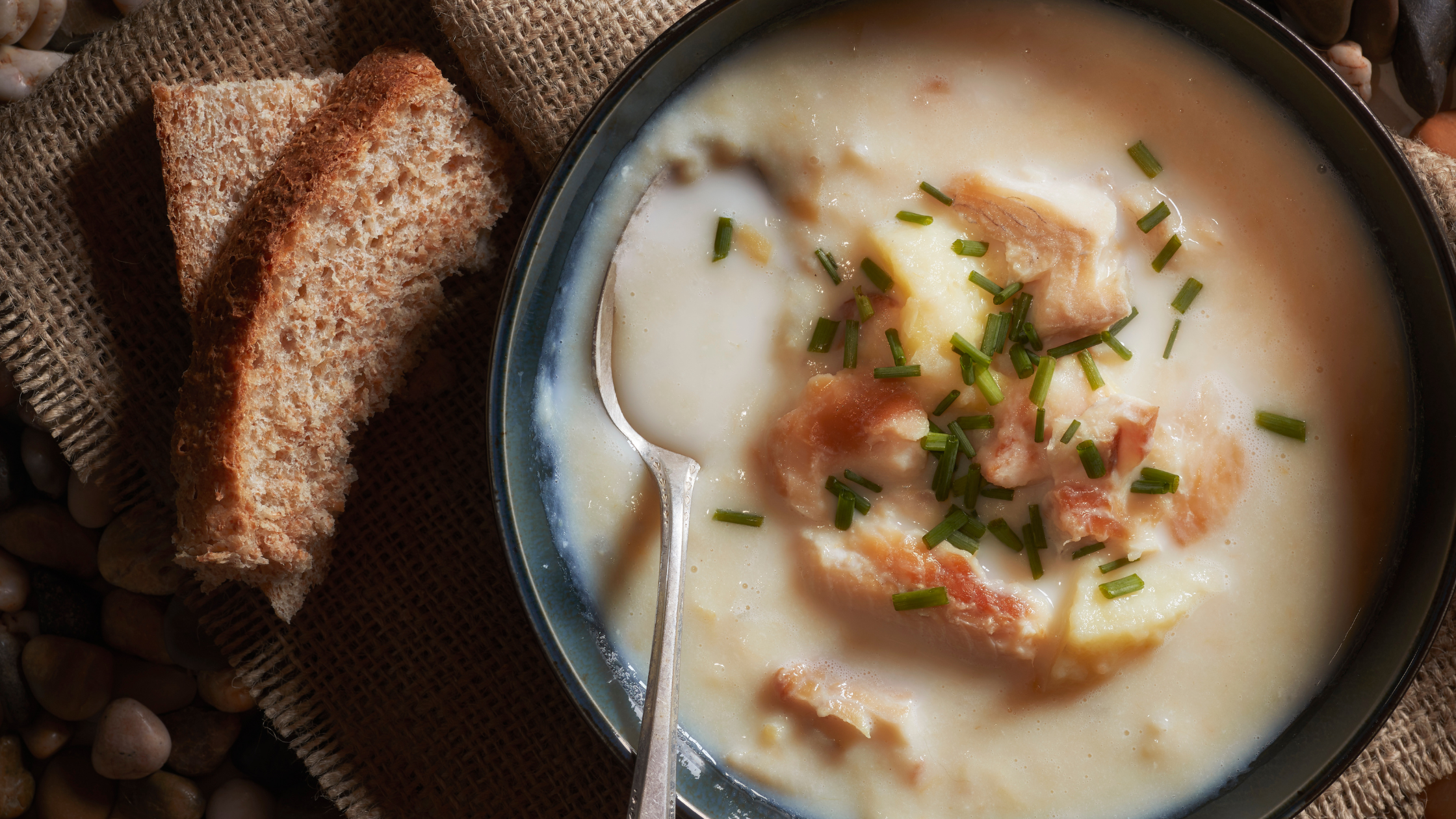
Something to start: Cullen Skink
The festive table often opens with a bowl of something warming, and what could be better than Cullen Skink. This creamy soup of smoked haddock, potatoes and onions comes from the fishing town of Cullen, where the sea has sustained lives for centuries. Each spoonful you have is full of tradition – simple ingredients but a comfort food that warms the soul.
Heart of the table: Roast Goose with Clapshot
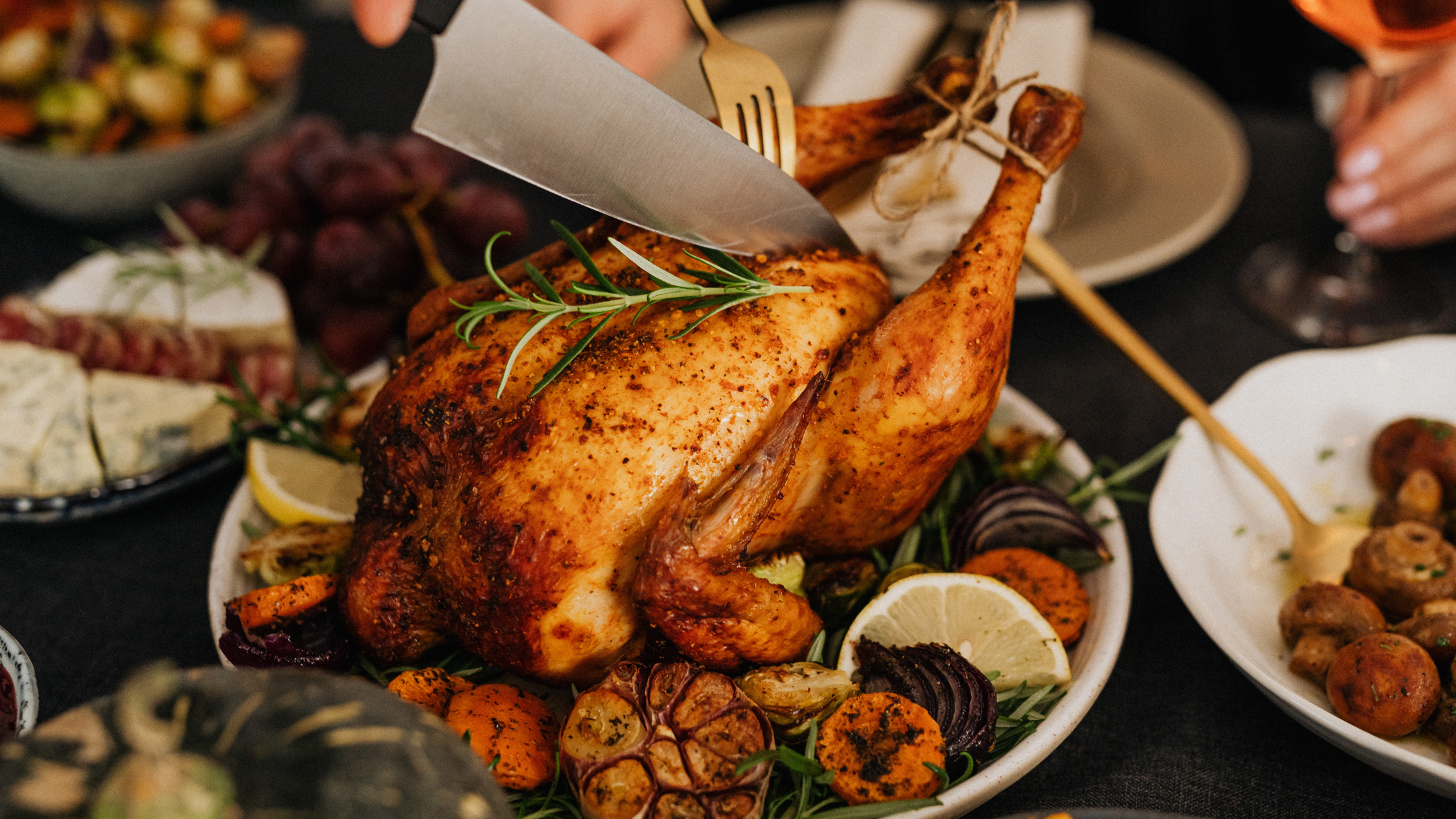
Before turkey became the roast of choice, roast goose often held the centrepiece at Scottish Christmas feasts. Its rich, savoury warmth pairs naturally with clapshot, the Orkney-born blend of tatties and neeps mashed together into a mouthful of flavour. These dishes arrived long before modern convenience, shaped by what the land and its seasons offered.
Something sweet: Clootie Dumpling
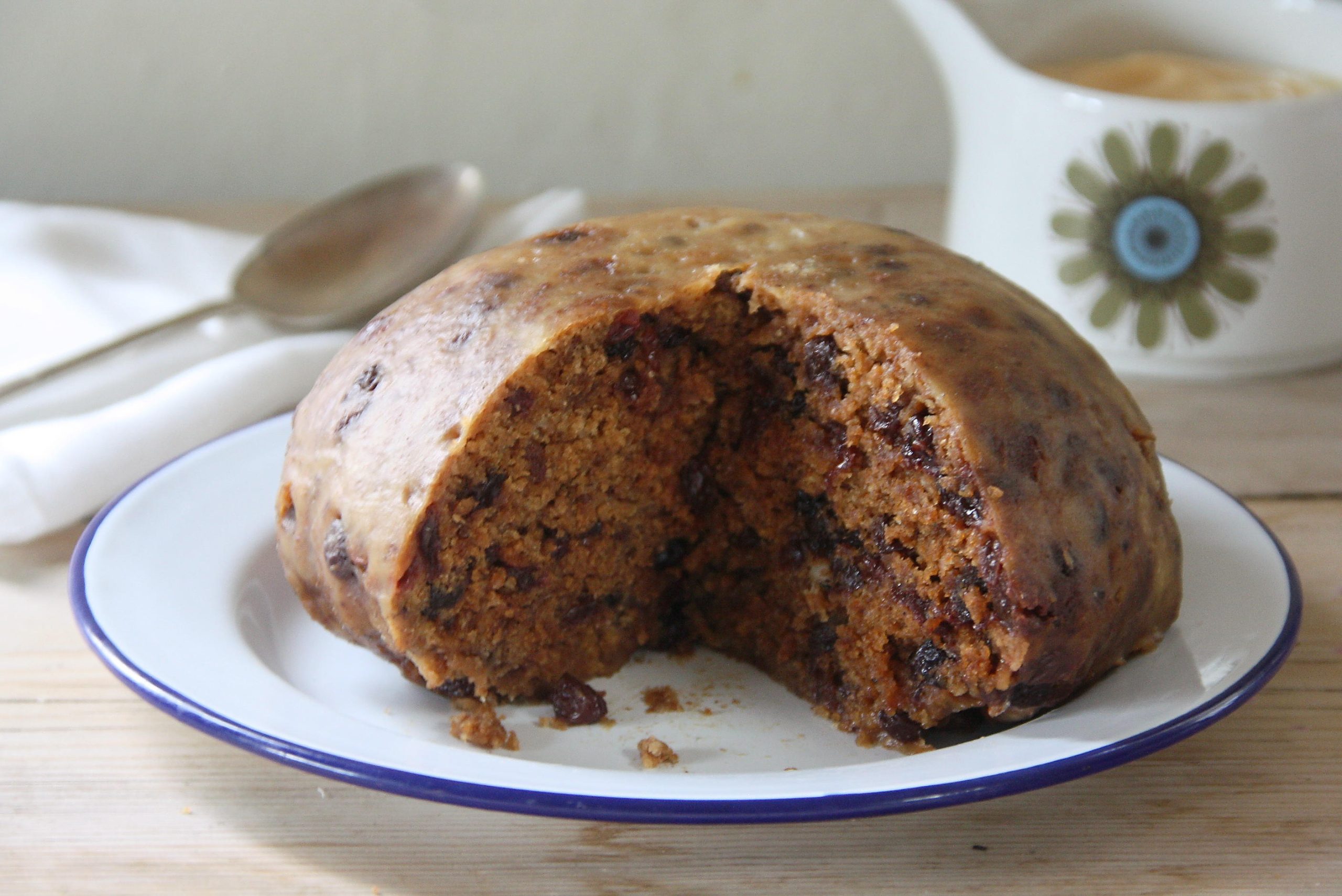
There is a sweet symphony that happens when making a clootie dumpling – tying the pudding in its cloth, lowering it into gently bubbling water, letting it slowly firm into its form. A particular spice might be added by a grandmother, a coin tucked in for luck, and the cloth has often weathered generations of festive celebrations.

A toast to tradition: Whisky
And then, of course, the dram. To raise a glass of whisky at Christmas is to participate in a ritual older than the festive season itself. Distilling, sharing, tasting: each is a craft shaped by place, practice, and patience. The drink is not merely enjoyed; it’s recognised as a cultural symbol, telling stories of landscapes, languages, and communities.
Why these traditions matter
Scotland’s festive foods are not just tasty – they’re deeply woven into the country’s Living Heritage. They move with us through time, adapting while keeping their original flavours and meaning. They are part of our ICH, the practices that communities protect, revitalise and pass on.
At TRACS, we work to celebrate and safeguard these traditions so they continue to nourish Scotland’s identity. From storytelling to song, from seasonal customs to the humble recipes that follow us through life, we champion the Living Heritage that shapes our daily life and festive traditions.
So when you gather around the table this Christmas, whether over Cullen Skink, clootie dumpling, shortbread, or a dram of whisky – remember you’re not only enjoying a meal, you’re keeping the Living Heritage of Scotland alive.


